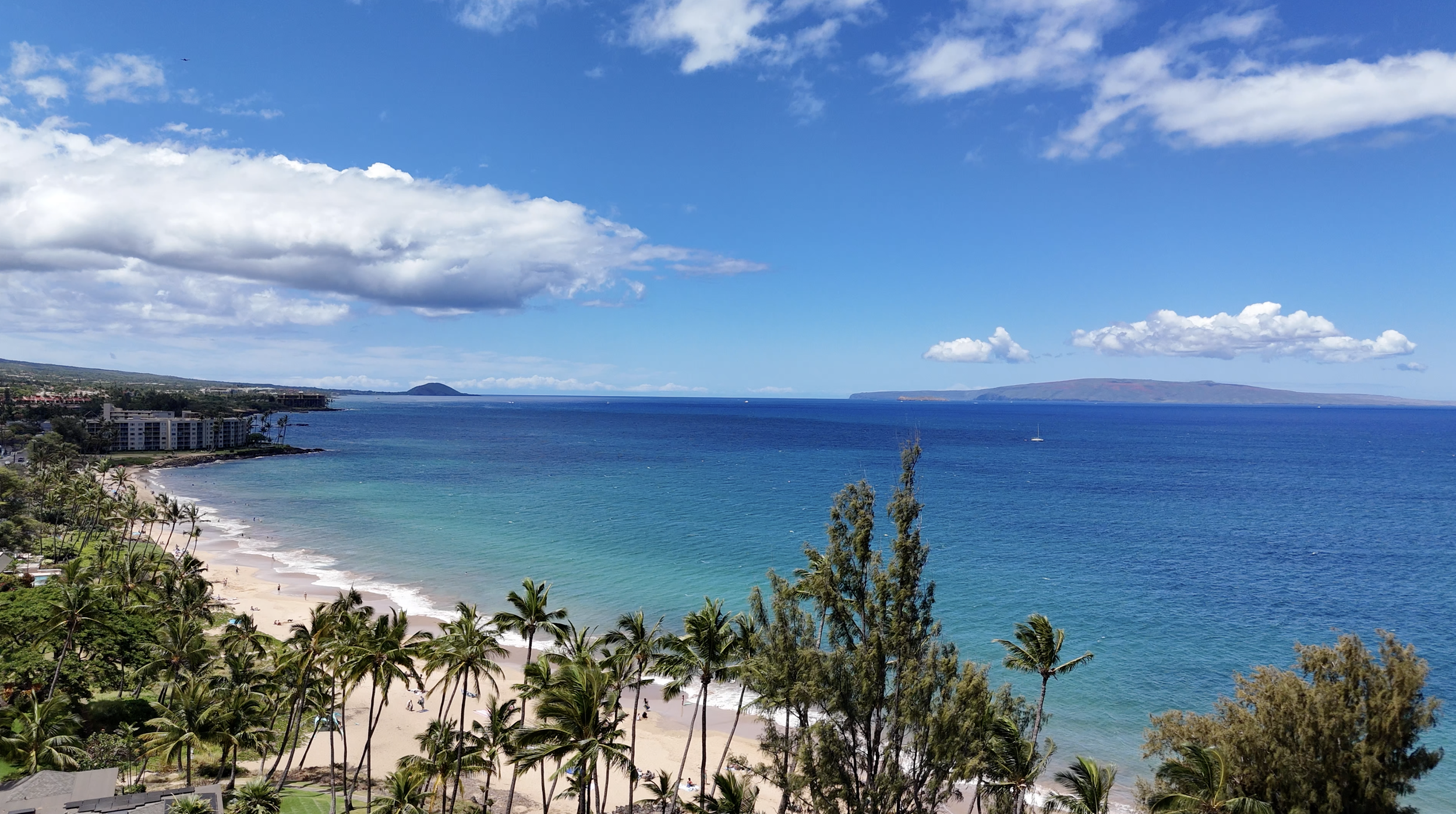
Best Places to Live on Maui
Your neighborhood guide to life in paradise.
What to ExpectMaui isn’t one place. It’s several different islands layered into one, and depending on the kind of life you’re looking for, the right neighborhood for you could be completely different from the right neighborhood for someone else. That’s the short answer to the question I get asked more than any other: what’s the best place to live on Maui?
I’m Josh Feyen. I moved to Maui with my family in 2020, first to Paia on the North Shore, then bought our home in Makawao, and now live in Haiku. I also own a vacation rental condo in South Kihei. Between those addresses and years of working with buyers and sellers across every corner of this island, I’ve gotten a genuinely lived-in view of what daily life looks like in each community, not just what the listing photos show.
This guide walks through the five main areas people move to when they choose Maui: South Maui, the North Shore, Upcountry, Central Maui, and West Maui. For each one, I’ll cover what it’s actually like to live there, who tends to love it, who tends to struggle with it, and the honest pros and cons, not just the postcard version.
Jump to a NeighborhoodKihei, Wailea, Makena
Paia, Haiku
Makawao, Kula, Pukalani
Kaʻanapali, Napili, Kapalua
Wailuku, Kahului, Waikapu
Hana, Ke’anae, Kipahulu
South Maui: Kihei, Wailea, Makena
Best for: beach access, sunny/dry weather, and the widest range of price points on the island.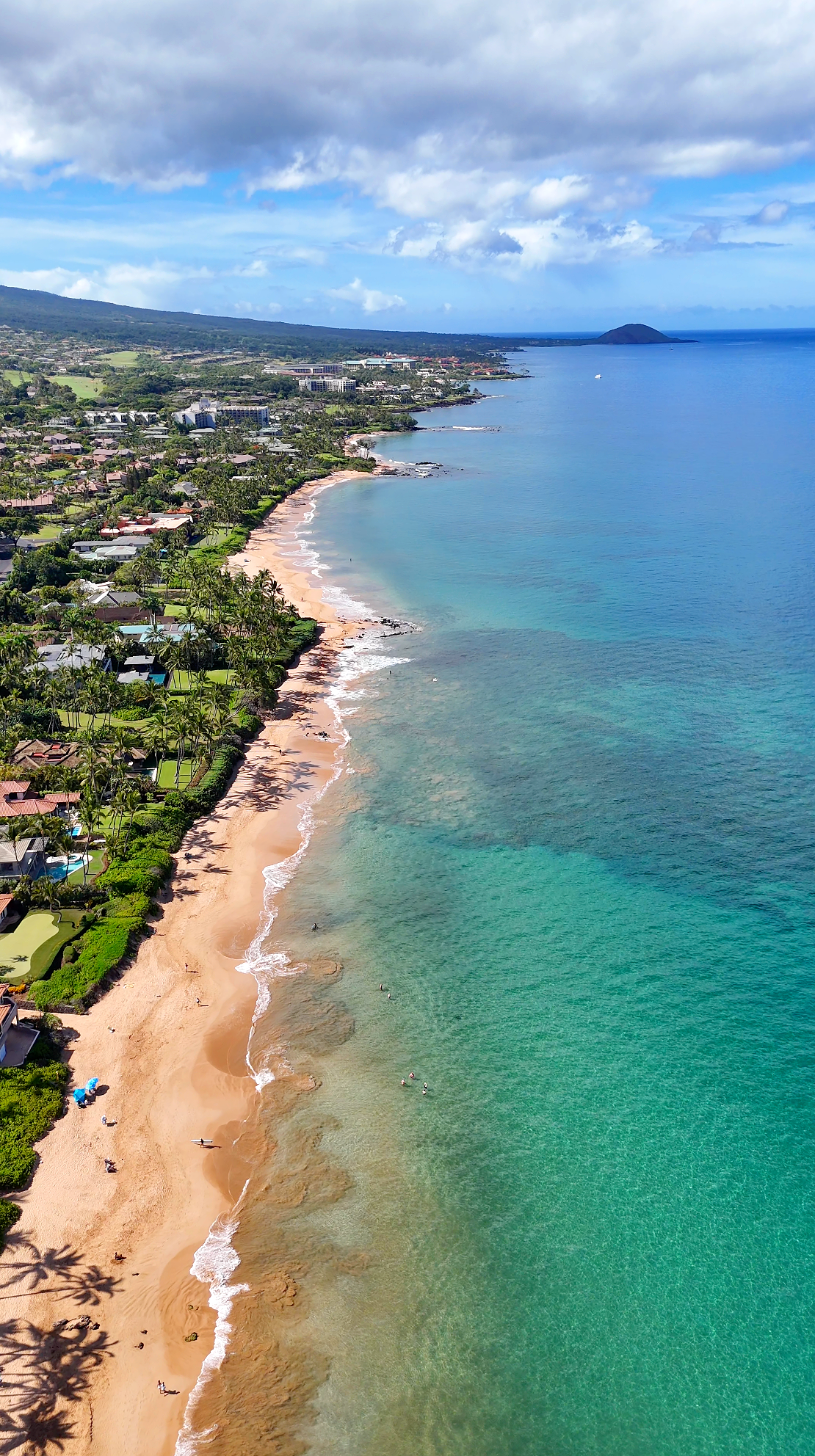
South Maui is one of the most popular areas on the island, both for tourism and for full-time residents, and it's easy to see why. It stretches from the local energy of Kihei down to the resort corridor of Wailea, offering everything from older neighborhood homes and condos to newer gated communities. The beaches here are some of the best and most accessible on the island, and the community is active, tight-knit, and multi-generational.
Kihei has a mix of older and newer neighborhoods with more affordable entry points than Wailea, plus farmers markets, food trucks, and regular community events at spots like South Maui Gardens, which hosts outdoor cinema nights throughout the year. Wailea is newer, more upscale, and often gated. It's resort-adjacent living at its finest, with some of the best beaches on the island just steps away, including the Wailea coastal walk. Makena, just south of Wailea, is the quietest and most undeveloped stretch, home to Big Beach and some of the most private real estate on Maui.
• Some of the most consistently sunny, dry weather on the island
• Easy beach access, with several beaches walkable from residential streets
• Widest range of price points on Maui, from Kihei condos to Wailea and Makena estates
• Active, multi-generational community with regular farmers markets, food trucks, and events
• Closer to Kahului and Central Maui conveniences than West Maui
Pros
• North Kihei can get windy and dusty, especially in the afternoon
• The lower coastal road can back up during peak tourist season
• Wailea and Makena carry a real premium over Kihei's entry-level pricing
• Tourist traffic and short-term rental density are heavier here than in most other areas
Cons
Josh’s take: This is where I have my vacation rental condo, and it's the part of Maui that most people picture when they imagine island life. Kihei is the practical, livable version of that picture. Wailea and Makena are the elevated version.
Ready to call South Maui home?
North Shore: Paia and Haiku
Best for: authentic small-town character, surf and wind sports, and a quieter pace close to town.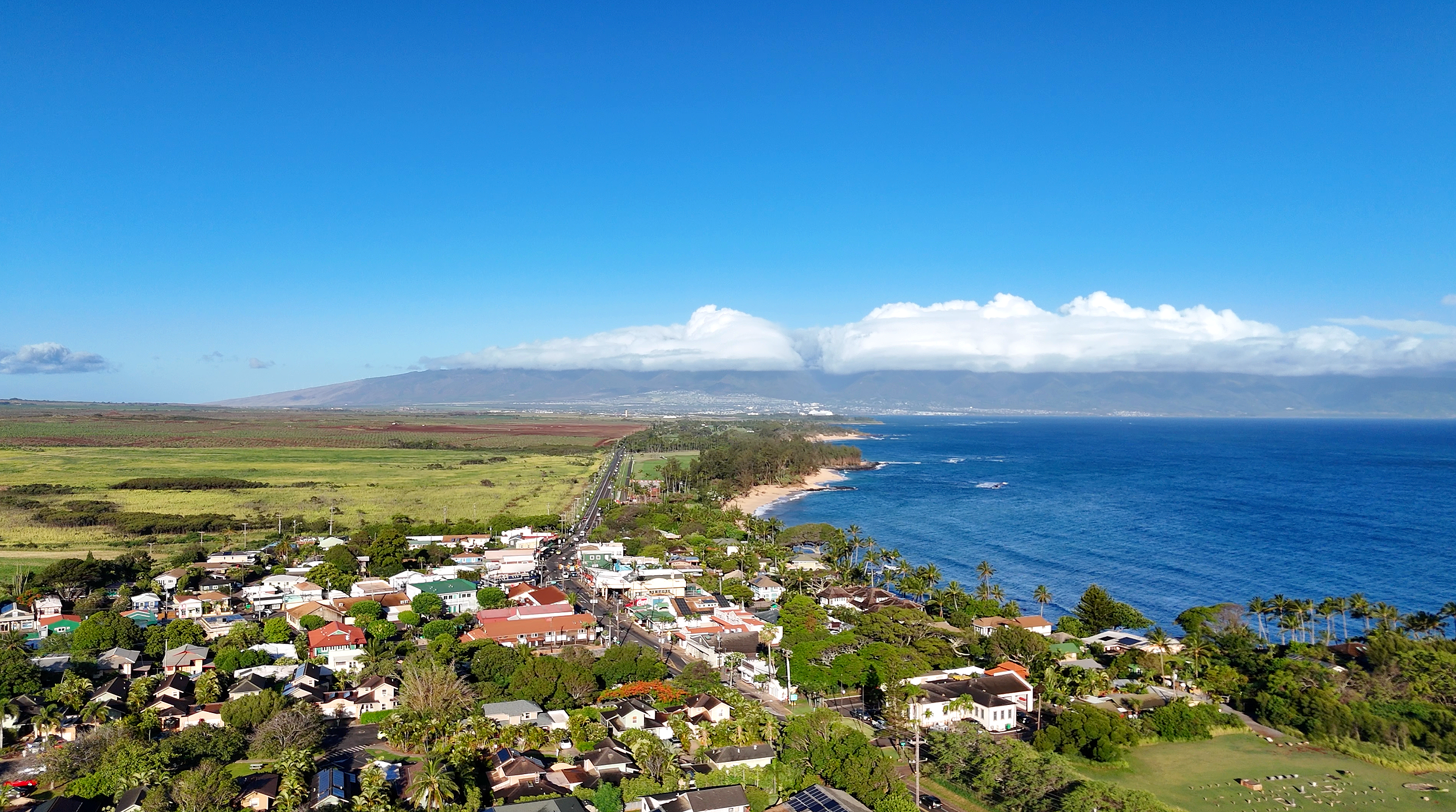
The North Shore is Maui at its most atmospheric. Paia is a one-light town about ten minutes east of the airport, known for its bohemian history, galleries, boutique shops, and well-loved restaurants. Further down the road, Haʻikū gets more rural and lush: bigger lots, a tropical jungle feel, more rain, and a quieter pace of life.
My family and I lived on the North Shore when we first moved to Maui, and I still surf here almost daily. Hoʻokipa Beach, just outside Paia, is world-famous for windsurfing and winter surf, and it's common to see turtles sunbathing on the sand. There are no hotels on the North Shore. It's mostly full-time and part-time residents, with a small handful of B&Bs. This is also the last real town before the Road to Hana, so you're never far from waterfalls and coastline in every direction.
• Genuine small-town character in Paia, with local shops, galleries, and restaurants
• Direct access to some of the best surf and windsurfing on the island
• Haiku offers larger lots, lush jungle surroundings, and real privacy
• Tight-knit, mostly full-time-resident community with very little resort development
• Still only 10 to 20 minutes from the airport
Pros
• More rain than most of the island, especially the further into Haiku you go
• Limited housing inventory, homes here don't come up often
• Narrow, winding roads, especially past Paia town
• 30 to 40 minutes from Costco and big-box shopping in Kahului
Cons
Josh’s take: This is my backyard. If wind, surf, and a slower, greener version of Maui matter to you more than walkability to a grocery store, the North Shore is very hard to beat.
Ready to call the North Shore home?
Upcountry: Makawao and Kula
Best for: cooler weather, land and privacy, and views that stretch from the mountain to the ocean.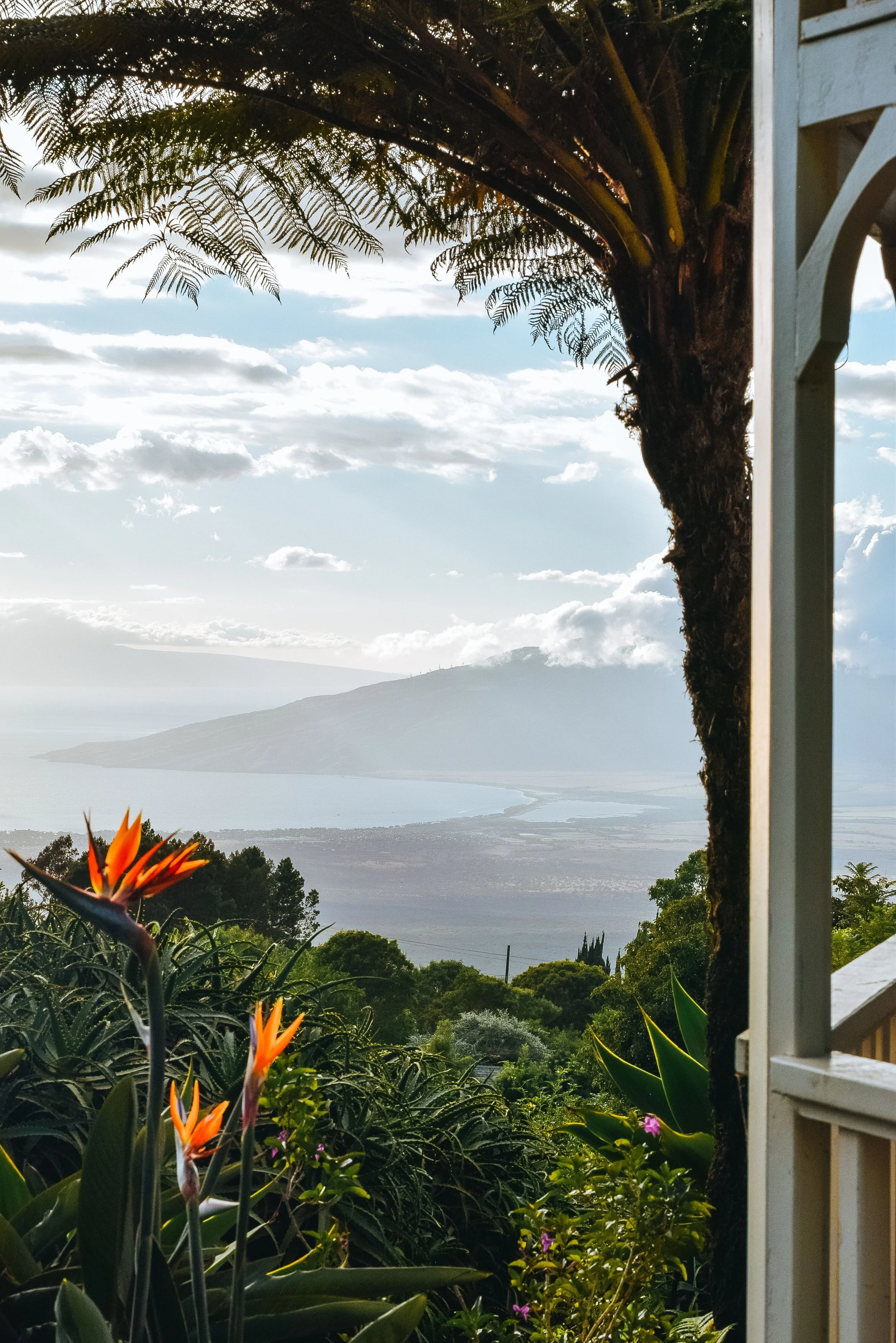
This is one of my personal favorite parts of Maui, and it's easy to see why. Sitting roughly 15 minutes from the airport and 2,000-plus feet above sea level, Upcountry is the cool, green, pastoral side of the island. Makawao has a distinct cowboy-meets-art-gallery character, with wooden walkways and Old West architecture that make it the most charming small town on Maui. Kula stretches further up the volcano: more rural, larger lots, farm-to-table everything, and ocean views that stretch to the horizon.
Upcountry is significantly cooler than the coast. It's the only part of Maui where you might genuinely want a fireplace. Lots are bigger here, meaning more space, more land, and more privacy than coastal neighborhoods. It's also close to Haleakalā, and watching sunrise or sunset from the crater is genuinely other-worldly.
• Cooler, drier climate with a real change of seasons compared to the coast
• Larger lots and more privacy than almost anywhere else on Maui
• Charming small-town character in Makawao, with art galleries and a real community feel
• Farm-to-table food culture and lavender farms in Kula
• Sweeping ocean and mountain views, and easy access to Haleakala
Pros
Cons
• 20 to 40 minute drive to the closest beach
• Higher elevations can get foggy, rainy, and genuinely cold at night
• Fewer restaurants and little nightlife compared to the coast
• A car is essential, and some roads are narrow and winding
Josh’s take: I bought a home in Makawao and I still think it's the most underrated part of the island. You give up walk-to-the-beach convenience, but you gain space, quiet, and some of the best views on Maui.
Ready to call Upcountry home?
Central Maui: Wailuku, Kahului
Best for: cooler weather, land and privacy, and views that stretch from the mountain to the ocean.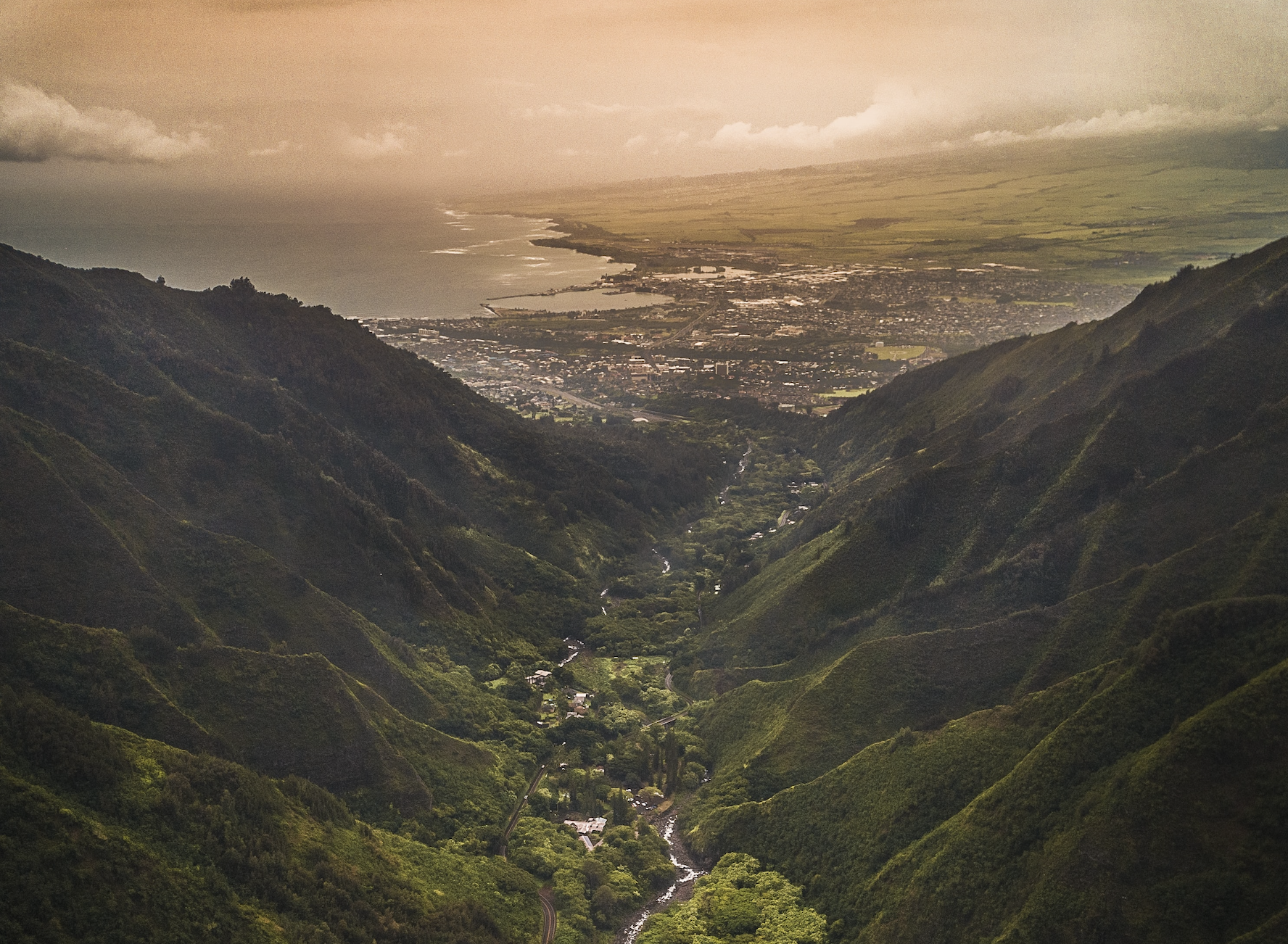
Central Maui is often overlooked by people moving to the island, but it hosts the largest population of any area and offers a genuinely great quality of life. Kahului is the commercial core: home to the airport, the port, and most major retail. Wailuku is where Central Maui gets interesting. It's tucked against the West Maui mountains, slightly cooler than the coast, rich in history, and in the middle of a real dining and culture renaissance.
Wailuku is the county seat, with a historic downtown that has real local character alongside great new restaurants. Iao Valley State Monument is minutes away for hiking, swimming, and some of the most stunning natural beauty on the island. The Maui Arts & Cultural Center hosts major concerts and events year-round. You'll find a mix of historic older neighborhoods and newer conventional suburban construction here, and it's often the best value per square foot on the island for full-time residents.
• Most practical and convenient area on the island, close to the airport, hospital, and shopping
• Best value per square foot on Maui for full-time residents
• Historic downtown Wailuku with a growing, genuinely good restaurant scene
• Still only about 15 minutes from the beach
• Good rental inventory relative to other areas
Pros
• Not walkable to the beach, a short drive is required
• The most heavily populated and trafficked part of the island day to day
• Less of the postcard resort aesthetic than South or West Maui
• Kahului has industrial and commercial pockets near the harbor
Cons
Josh’s take: If you want the real, everyday version of living on Maui without paying a resort premium, Central Maui deserves a much closer look than most newcomers give it.
Ready to call Central Maui home?
West Maui: Kaʻanapali, Napili, and Kapalua
Best for: iconic beaches, golf, and dramatic mountain-to-ocean scenery.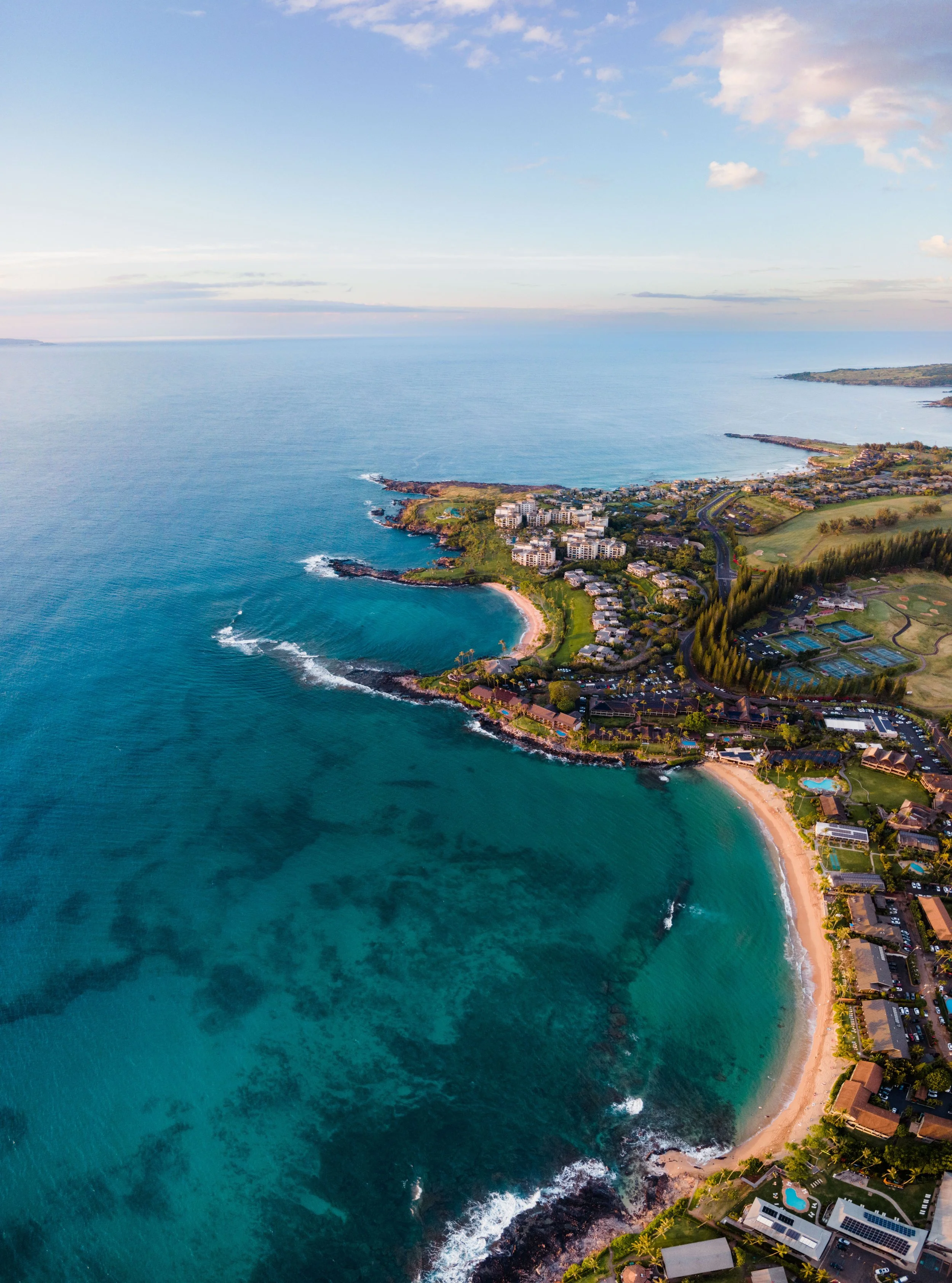
West Maui stretches along some of the most recognizable coastline on the island, north through Kaʻanapali, Napili, and Kapalua. Kaʻanapali Beach is consistently ranked among the best beaches in the country, with a strong mix of resort condos, long-time residential neighborhoods, and easy beach access. Further north, Napili and Kapalua have a quieter, more residential feel, with championship golf, calmer surf, and the dramatic backdrop of the West Maui Mountains behind every view.
Lahaina, just south of Kaʻanapali, is in an active, ongoing rebuilding process following the 2023 wildfires. That process deserves patience and respect from anyone watching from outside it, and for that reason this guide isn't profiling Lahaina town as a relocation destination right now. If you're specifically exploring West Maui, Kaʻanapali, Napili, and Kapalua remain active, established communities worth a serious look.
• Some of the most iconic, highly ranked beaches in the country
• Championship golf in both Kaʻanapali and Kapalua
• Dramatic West Maui Mountain backdrop across the entire coastline
• Kapalua and Napili offer a quieter, more residential pace than Kaʻanapali
• Reliable, front-row sunset views nearly every evening
Pros
• The farthest region from the airport, 45 minutes or more, and longer with Pali traffic
• Fewer walkable town amenities right now given the ongoing rebuild nearby
• Resort-condo inventory here often comes with higher HOA fees
• Kapalua carries a real price premium over other parts of the island
Cons
Josh’s take: West Maui has some of the most beautiful real estate on the island. It also asks the most patience of anyone moving here right now, and that's worth going into with eyes open and a lot of respect for what this community has been through.
Ready to call West Maui home?
Best for: total seclusion and a slower pace of life. Best approached with patience and respect rather
than as a typical relocation market.
East Maui: Hana, Keʻanae, and Kipahulu
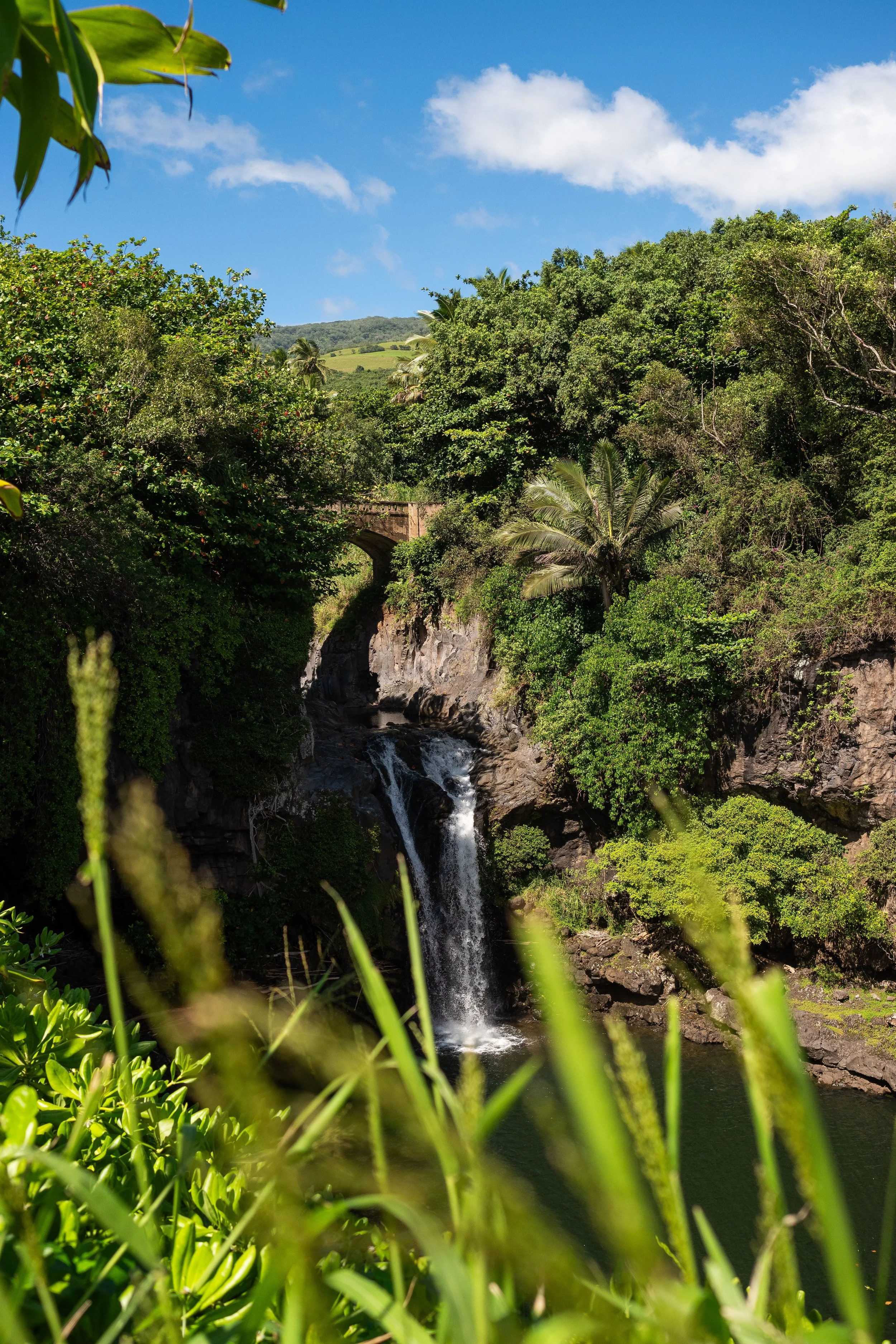
East Maui is technically the entire east side of the island, wrapping all the way around the base of Haleakalā, but when people talk about “living in East Maui” they usually mean Hana itself. It's the most remote town on Maui, roughly two hours from Kahului along the Road to Hana, and it has stayed that way on purpose. There are no traffic lights and no big-box stores, and very few homes change hands here in a given year. Hana has a small, tight-knit population of full-time residents, along with a handful of work-trade farms that welcome people willing to put in real labor for room, board, and a crash course in island life.
Between Hana and the rest of the island sit Keʻanae and Kipahulu, two of the most culturally significant places on Maui. Keʻanae is home to generations-old wetland taro farms, still tended under kuleana, the traditional Native Hawaiian right and responsibility to care for the land. Kipahulu, near ʻOheʻo Gulch, has a similar story, with families continuing to farm the same loʻi their ancestors did. These are living, working communities, not neighborhoods with homes on the open market, and they're best appreciated as places to slow down, look, and listen rather than relocation options. If East Maui calls to you, Hana is genuinely where that conversation starts.
• Total seclusion and some of the most dramatic, untouched scenery on the island
• A tight-knit community that has intentionally protected its slower pace of life
• A rare kind of quiet, with dark night skies you won't find anywhere else on Maui
• Deep cultural depth around Keʻanae and Kipahulu, for anyone willing to learn and show respect
Pros
• Extremely limited real estate inventory, and what comes up is expensive relative to what you get
• Roughly two hours from the airport and from Central Maui services and shopping
• Very limited job market outside tourism, hospitality, and farming or work-trade
• Cell service and infrastructure are inconsistent, and the community has closed outside access before during emergencies, a reminder of how self-protective and insular this area can be
• Not a place to buy speculatively. Homes and land here deserve the same patience and respect the community asks of visitors
Cons
Josh’s take: I love the drive out to Hana and think everyone should do it at least once a year. But I'd encourage most buyers to think of Hana as a place to visit deeply rather than move to quickly, and Keʻanae and Kipahulu as places to slow down and pay attention, not areas to search for listings in.
Ready to call Hana home?
Is It Expensive to Live on Maui?
Yes, and it's worth being upfront about that. Maui consistently ranks as one of the more expensive places to live in the United States, and housing is the biggest driver. Across Maui County, median home prices have been running above $1 million, and one-bedroom rentals commonly fall in the $2,000 to $3,000 range depending on the area and how close you are to the beach.
Where costs even out somewhat is groceries, gas, and everyday spending, which run higher than the mainland but not dramatically so once you factor in a Costco membership and cooking more at home than eating out. The bigger adjustment for most people isn't the day-to-day cost, it's the housing market. That's exactly why the neighborhood you choose matters so much: Central Maui and Kihei tend to offer the most value per square foot, while Wailea, Makena, and Kapalua carry the highest premiums on the island.
Your Questions, Answered
-
It genuinely depends on what you're optimizing for. South Maui offers the best beach access and sunny weather, the North Shore is best for surf and small-town character, Upcountry offers space and cooler weather, Central Maui offers the best value and convenience, and West Maui offers iconic beaches and golf. There isn't one right answer, only the right fit for your lifestyle and budget.
-
Yes. Housing is the biggest cost driver, with median home prices across Maui County running above $1 million and one-bedroom rentals typically between $2,000 and $3,000 a month. Groceries and gas run higher than the mainland but not dramatically so.
-
Central Maui, particularly Wailuku and Kahului, tends to offer the best value per square foot on the island, along with Kihei in South Maui, which has more affordable entry points than neighboring Wailea and Makena.
-
Kihei generally offers more affordable, everyday livability with easy beach access and a strong local community feel. Wailea offers a more upscale, resort-adjacent lifestyle with gated communities and some of the island's best beaches, at a real price premium over Kihei.
-
Yes, especially if you value space, privacy, and cooler weather over beach walkability. Makawao and Kūla offer larger lots, a real small-town feel, and some of the best views on the island, though you'll be a 20 to 40 minute drive from the closest beach.
-
South Maui, particularly Wailea and Makena, tends to have the driest, sunniest weather on the island. Upcountry is noticeably cooler and can be foggy at higher elevations, while the North Shore and Haʻikū see more rainfall.
-
Kaʻanapali, Napili, and Kapalua remain active, established communities with strong long-term appeal. Lahaina town is still in an active rebuilding process following the 2023 wildfires, and that recovery deserves patience and respect from anyone considering the area.
-
For the right person, yes, but it's a different kind of decision than the rest of the island. Hana offers total seclusion and a slower pace of life, with very limited real estate inventory and a roughly two hour drive to the airport and Central Maui services. Keʻanae and Kīpahulu, further up the Road to Hana, are traditional Native Hawaiian farming communities rather than places with homes on the open market, and they're best respected as living cultural sites.
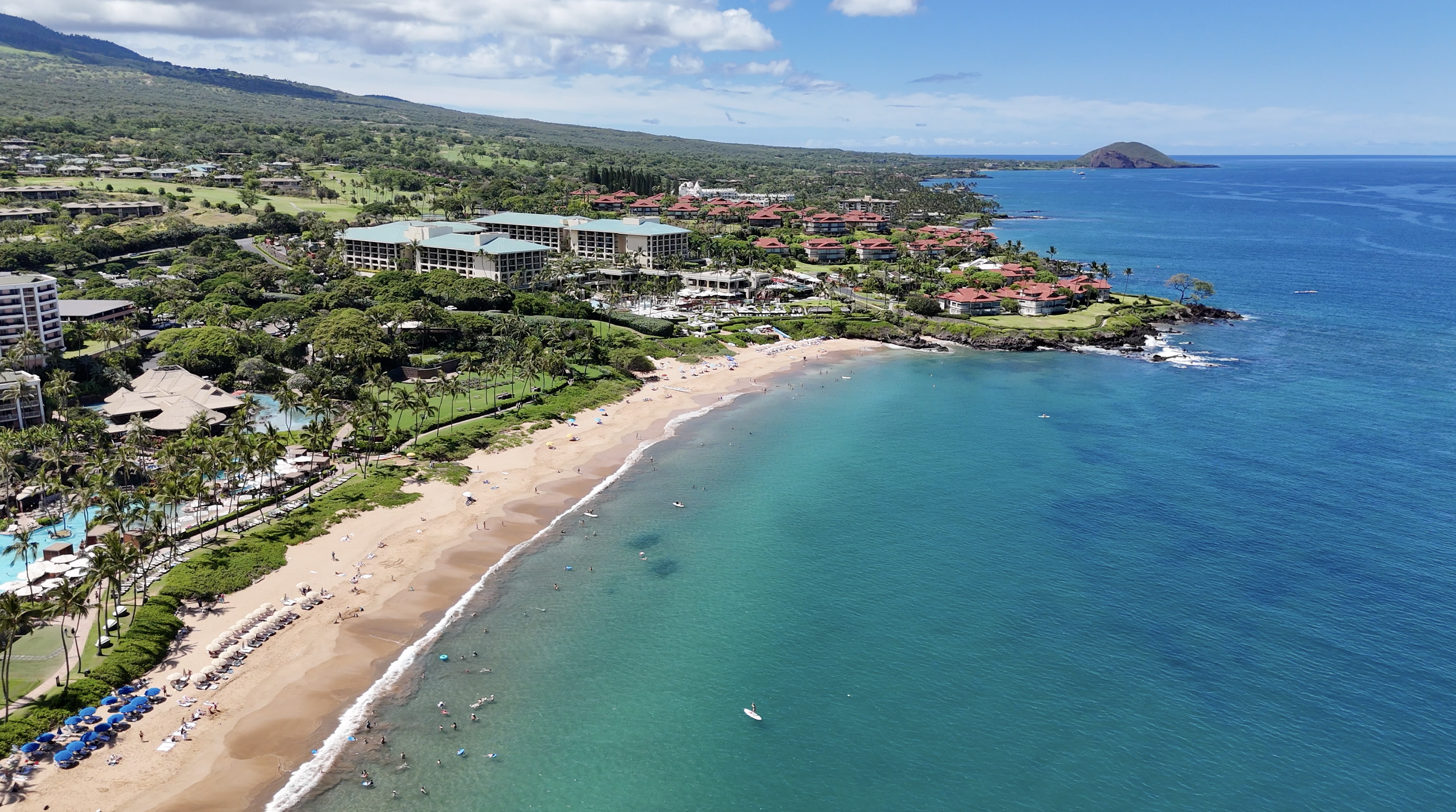
Ready to Find Your Neighborhood?
Every one of these areas is a genuinely great place to live, they're just very different. The right fit depends on your lifestyle, your family, your budget, and what kind of mornings you want to wake up to.
I've helped buyers and sellers across all of these neighborhoods, and I look forward to helping you find your place on Maui. I'm happy to answer any questions, no pressure, no agenda. Just honest insight from someone who's grateful to call this place home. Aloha.
Still deciding where to live on Maui? Reach out, no pressure, no agenda, just honest answers.